Why most small businesses delay going online
Ask a business owner why they haven't set up an online store yet, and the answer is rarely "I don't want to." It's usually some version of "I'd need to hire someone," or "I don't know where to start." That assumption made sense a few years ago, when going online genuinely meant commissioning a custom website. It doesn't anymore.
What you actually need to start
Stripped down to the essentials, selling online requires three things: a catalog customers can browse, a place to put orders that isn't scattered across chat threads, and a way for customers to pay using a method they already trust. That's it. Everything beyond that - custom design, a unique domain, a mobile app - is a nice-to-have, not a requirement to start.
The DM and WhatsApp ceiling
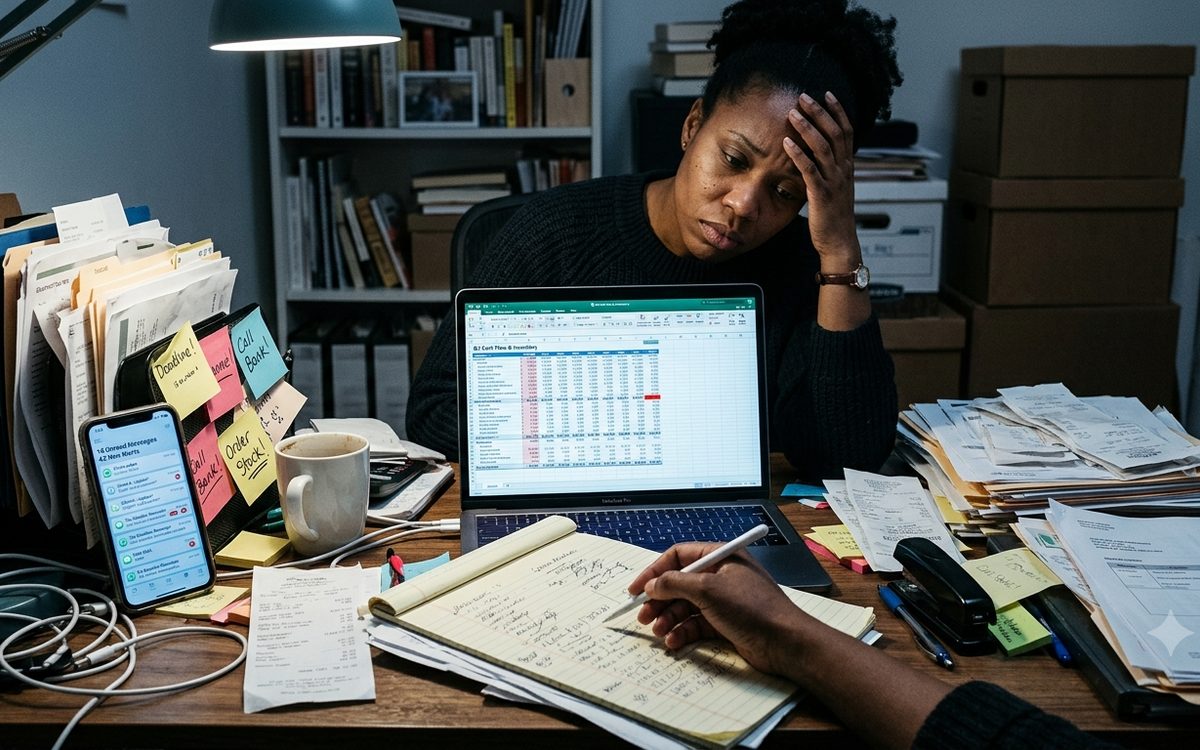
Taking orders through Instagram DMs or WhatsApp works fine at low volume, and plenty of businesses start there. The trouble starts as volume grows: orders get buried under unrelated messages, nobody is tracking stock against what's actually been promised, and it becomes easy to sell the same item to two customers without realising it until one of them is disappointed. None of this is a discipline problem - it's what happens when a messaging app is asked to do a job it wasn't built for.
What a branded storefront gives you that DMs can't
- 1 A single, organised catalog customers can browse on their own time, instead of asking "what do you have?" one DM at a time.
- 2 A professional first impression for customers who don't yet know or trust your brand.
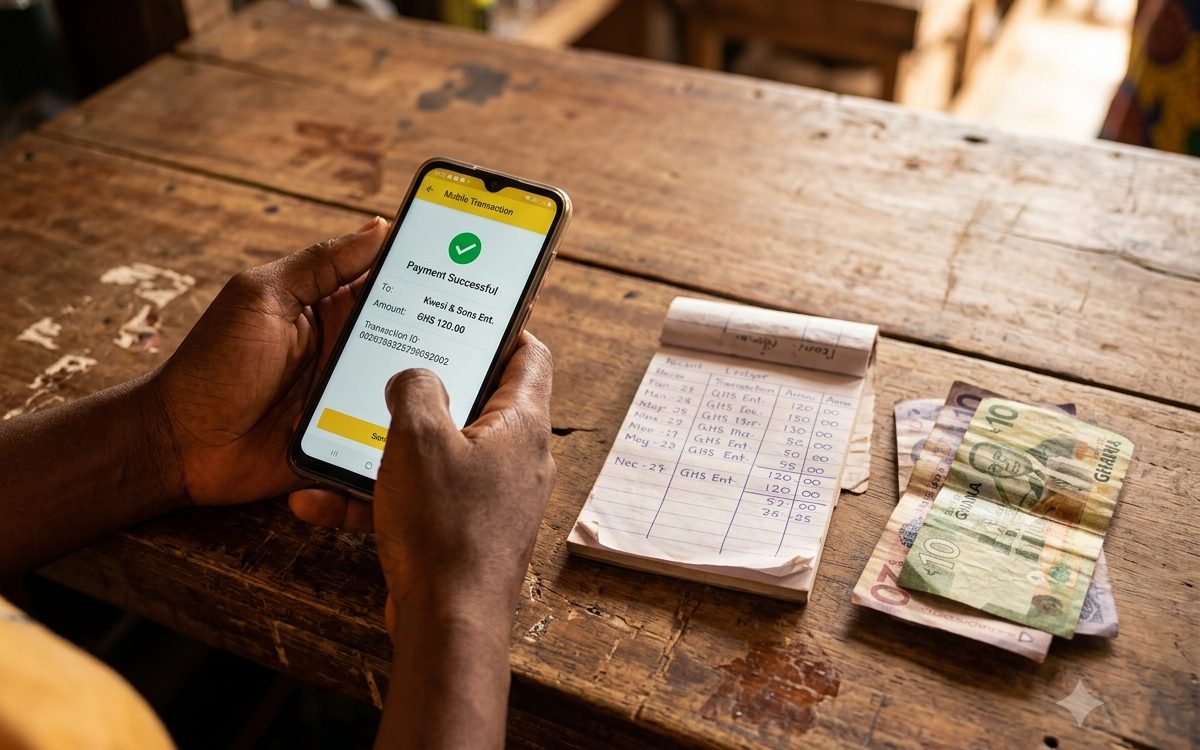
- 3 Direct payment at checkout, by Mobile Money or card, instead of a manual back-and-forth to confirm payment.
- 4 Automatic inventory deduction, so the stock count customers see is the same one you're tracking, with no manual updates.
Getting started without writing a line of code
Every VendReady account includes a branded online storefront on its own link, such as yourbusiness.vendready.store, the moment you set up your product catalog - because the catalog you build for your dashboard is the same one customers see on the storefront. There's no separate website to design or maintain, and no developer to brief. Customers can browse, order, and pay by card, MTN Mobile Money, or Telecel Cash, and every order updates the same stock count you're already managing.
If you're currently taking orders through DMs, the move isn't choosing between "stay as we are" and "build a full ecommerce operation." It's giving customers one organised place to order from, while you keep doing everything else exactly as you do now.